
The thinking behind Defqon
For two years, I was trusted with an entire world.
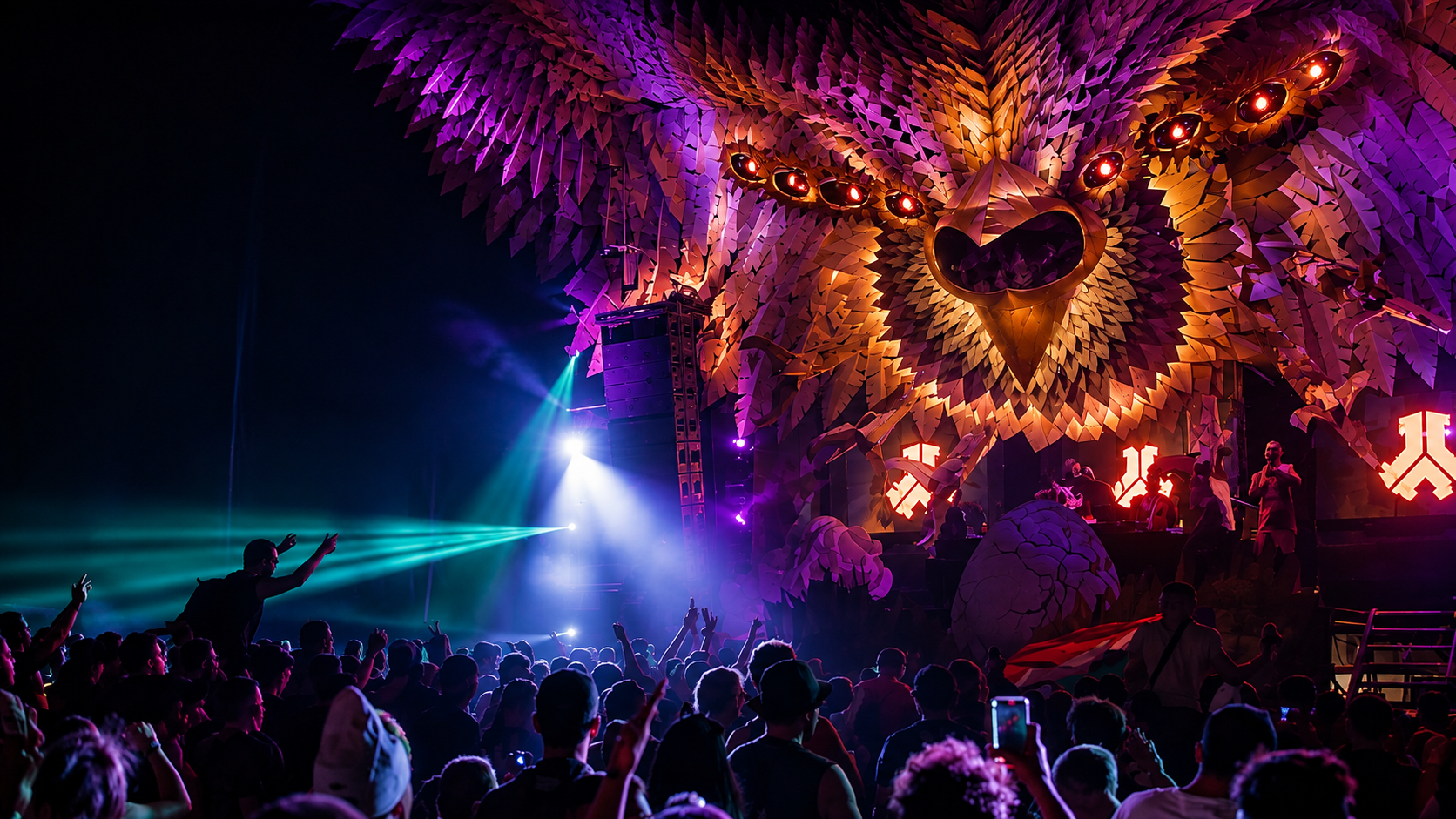
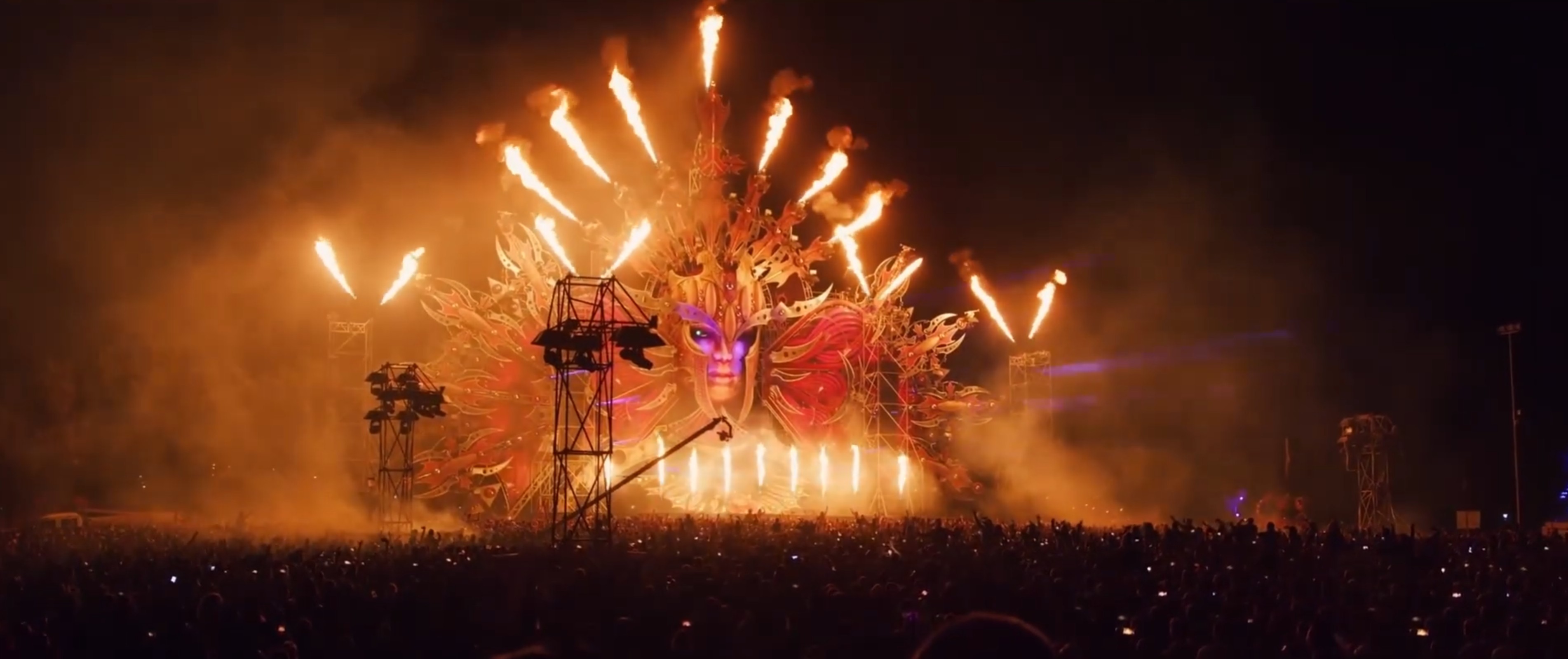
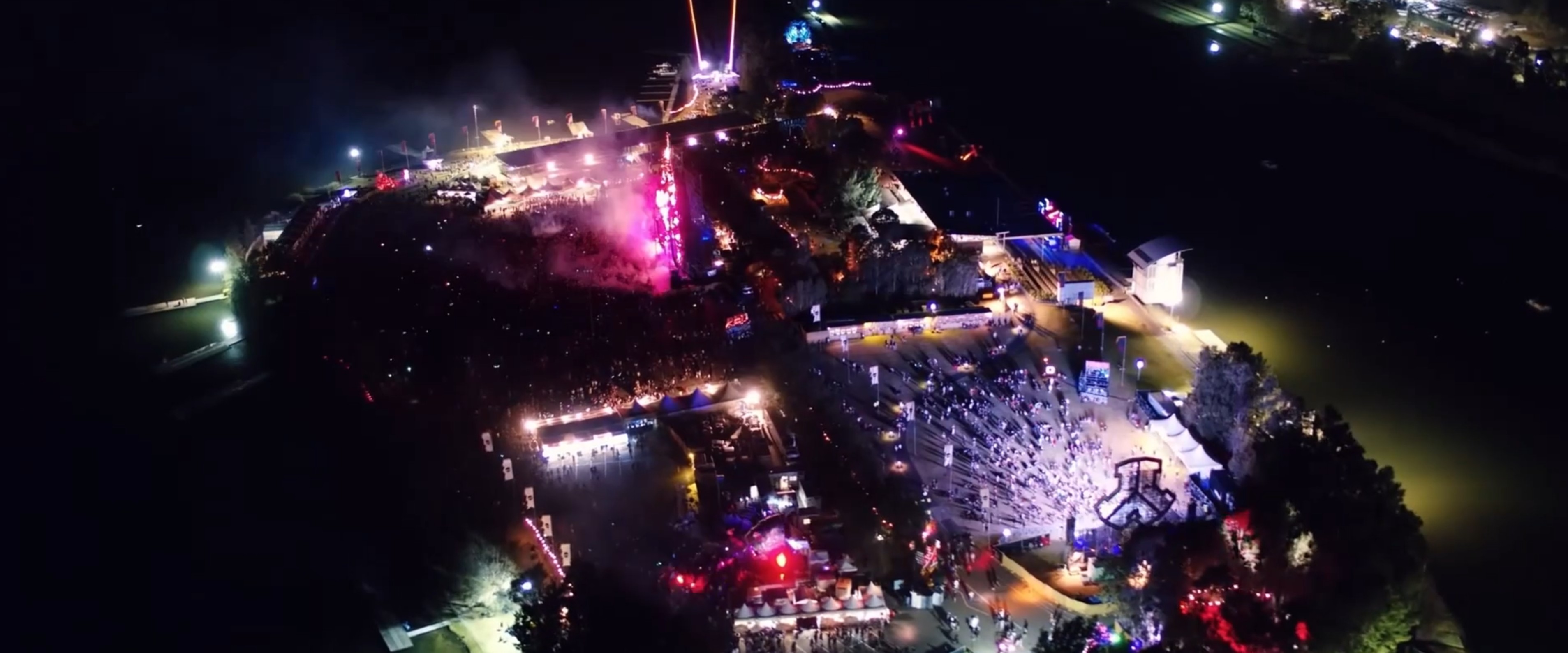
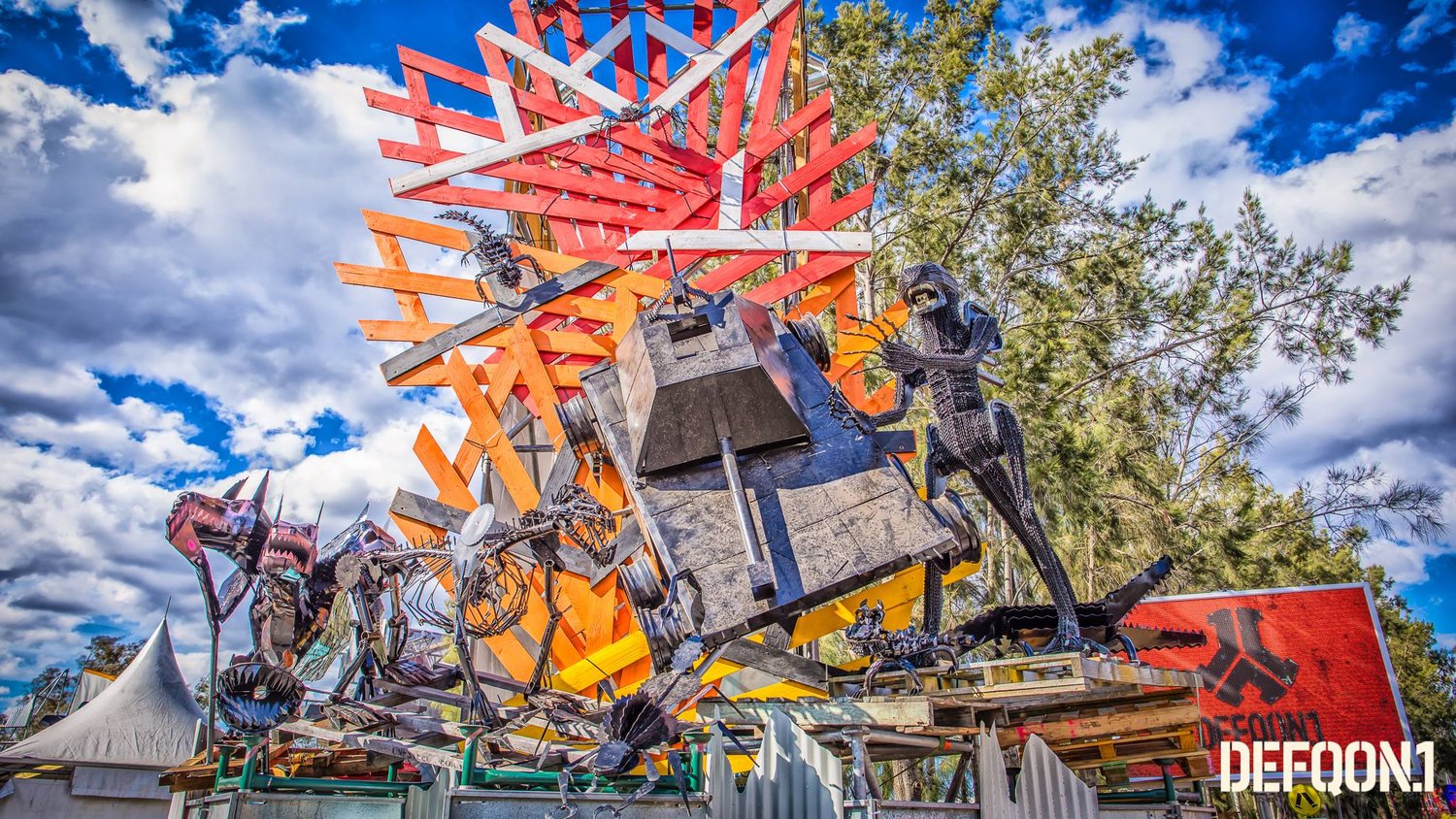
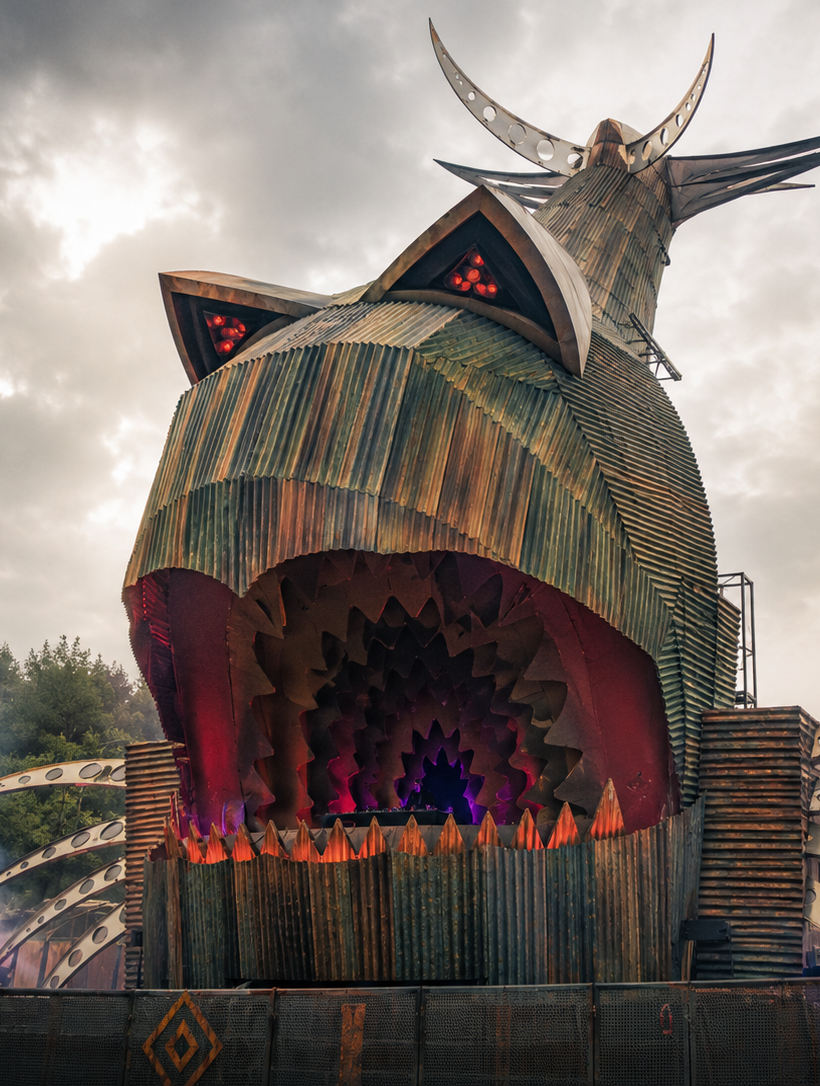
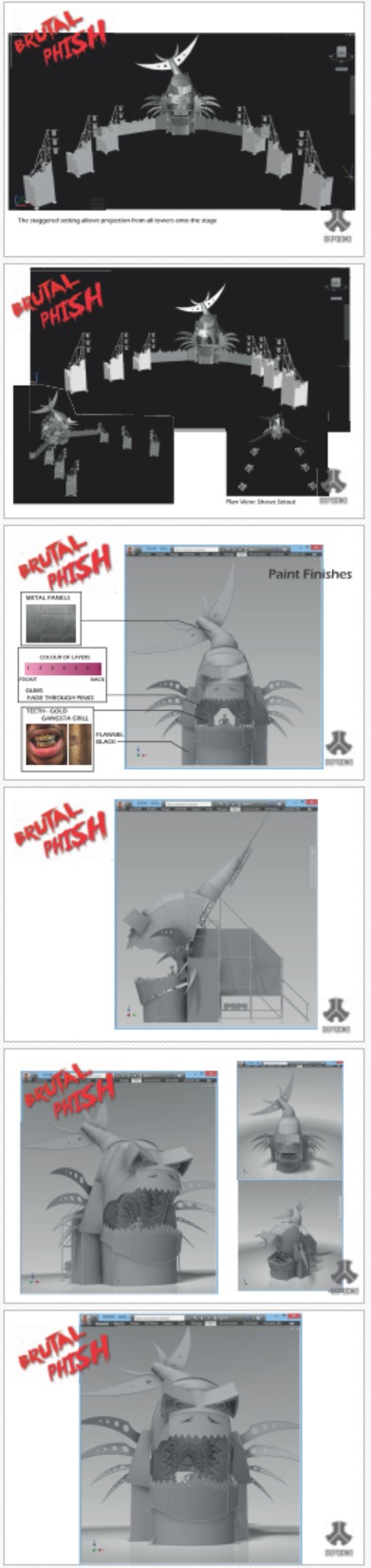
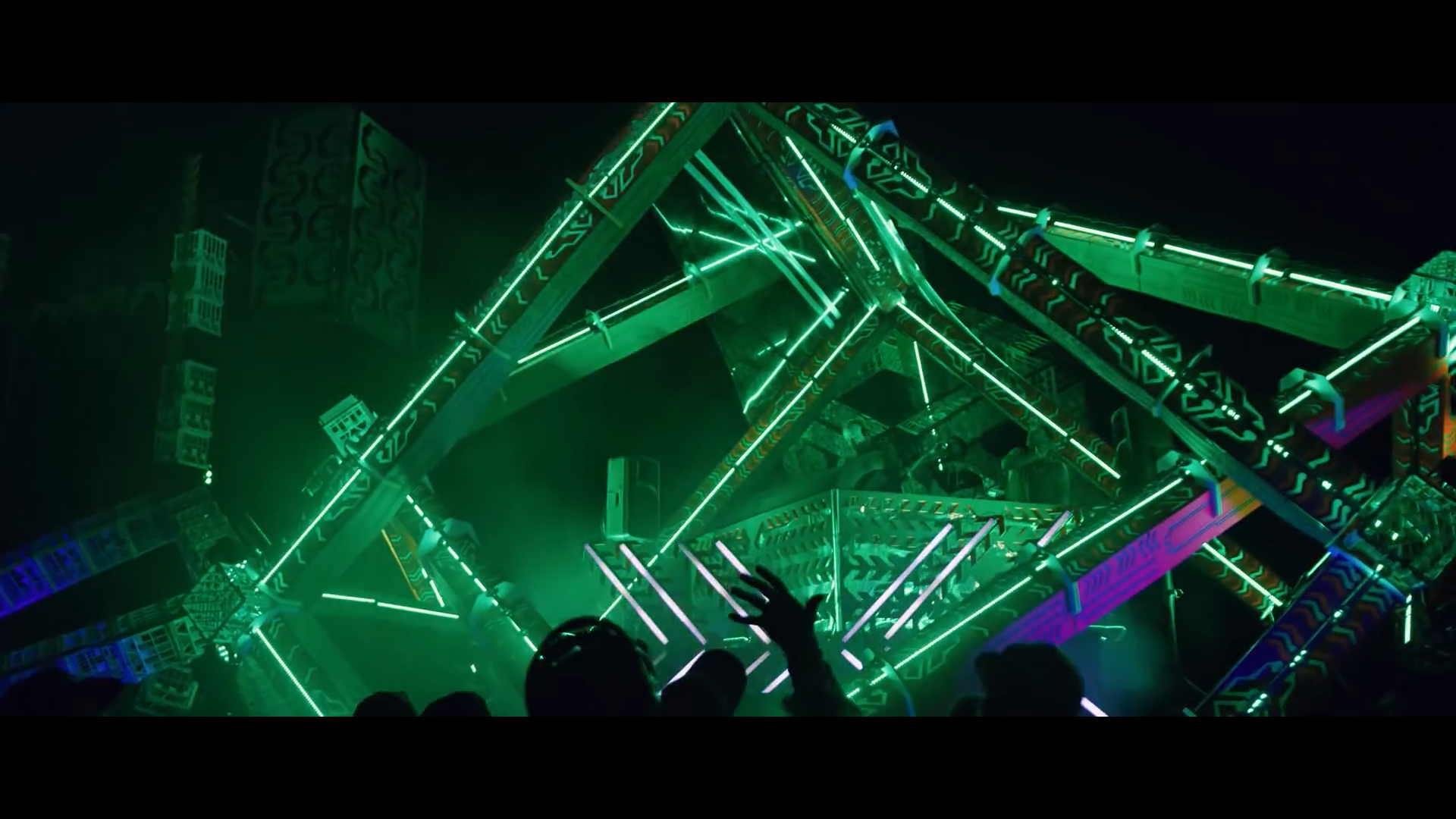
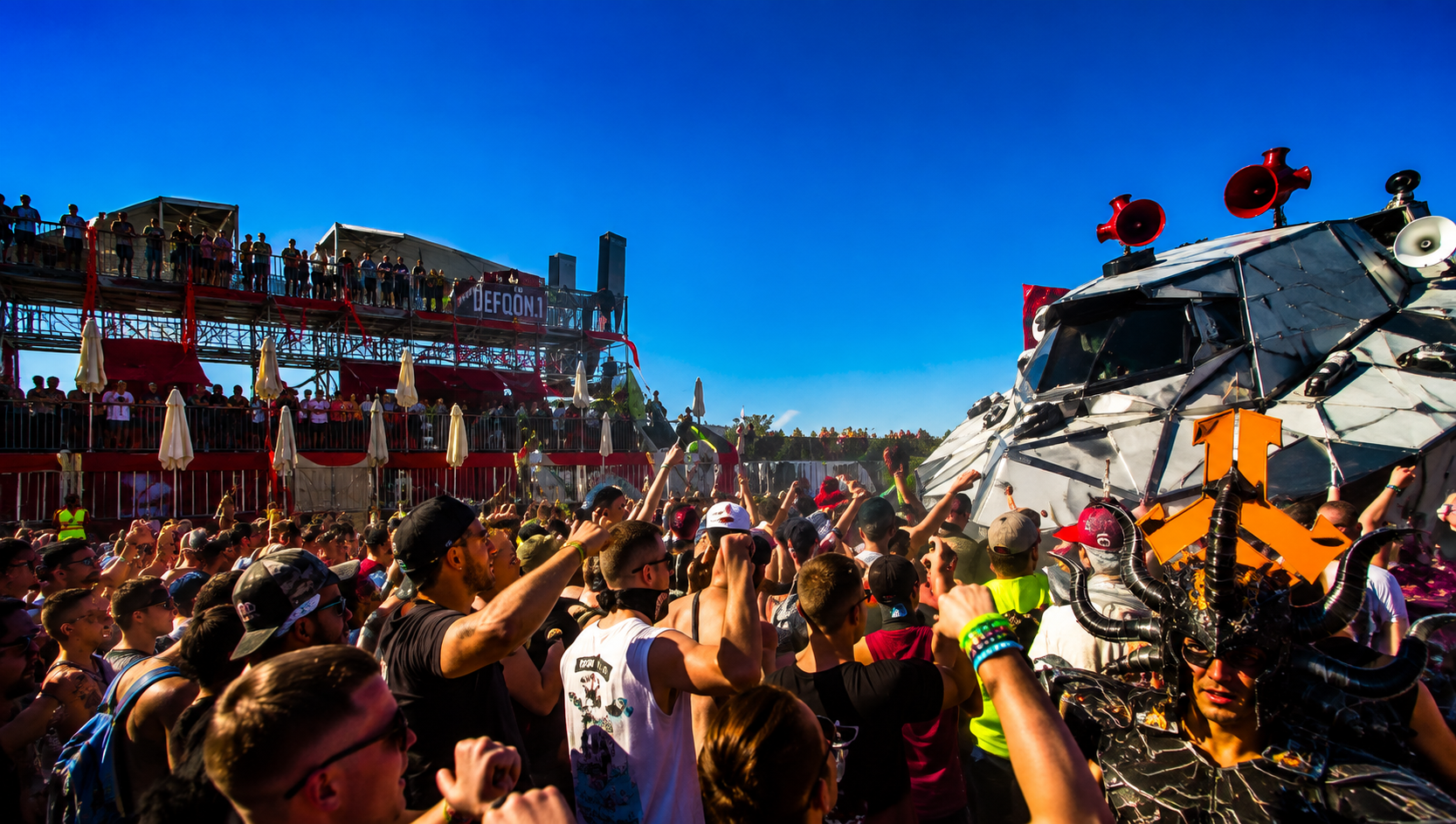
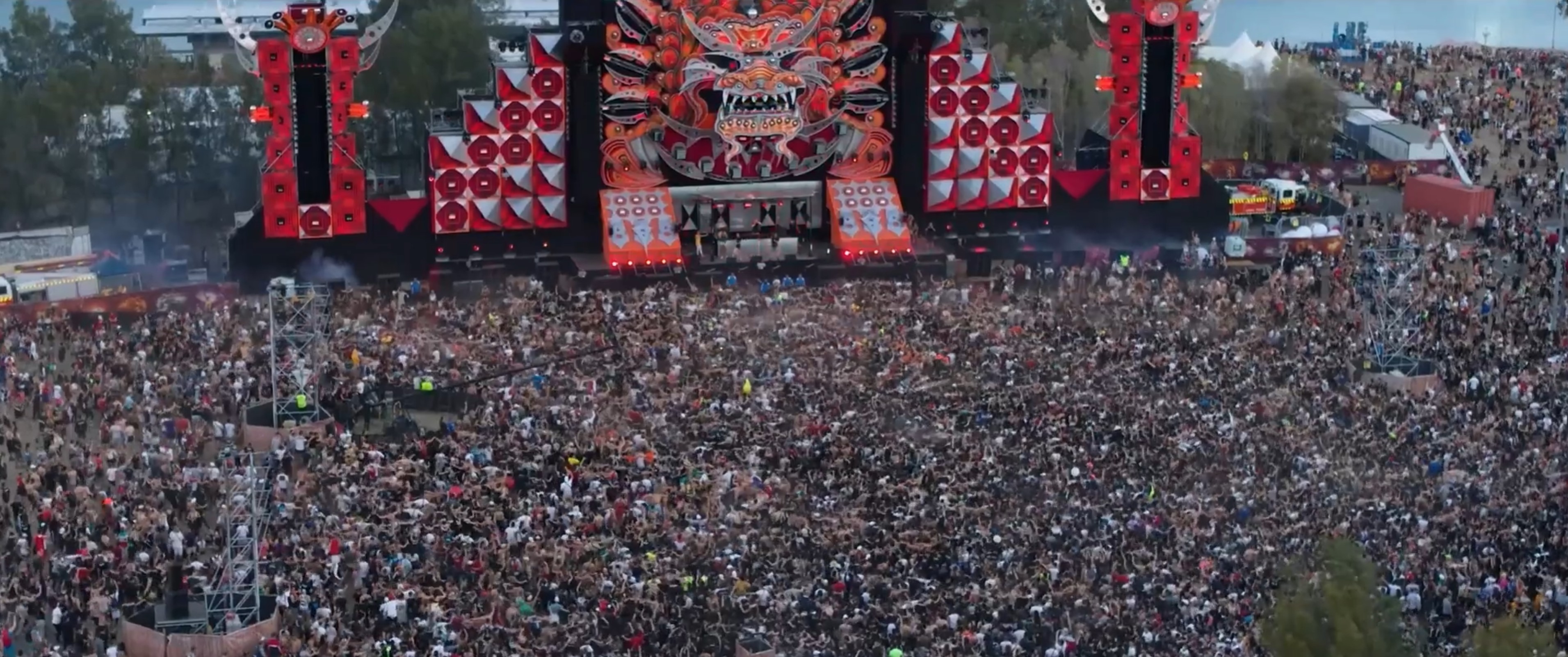
Defqon.1 Australia was not six stages arranged around a festival site. It was one temporal reality made from different environments, each with its own character, audience and technical demands, while still needing to feel unmistakably part of the same world.
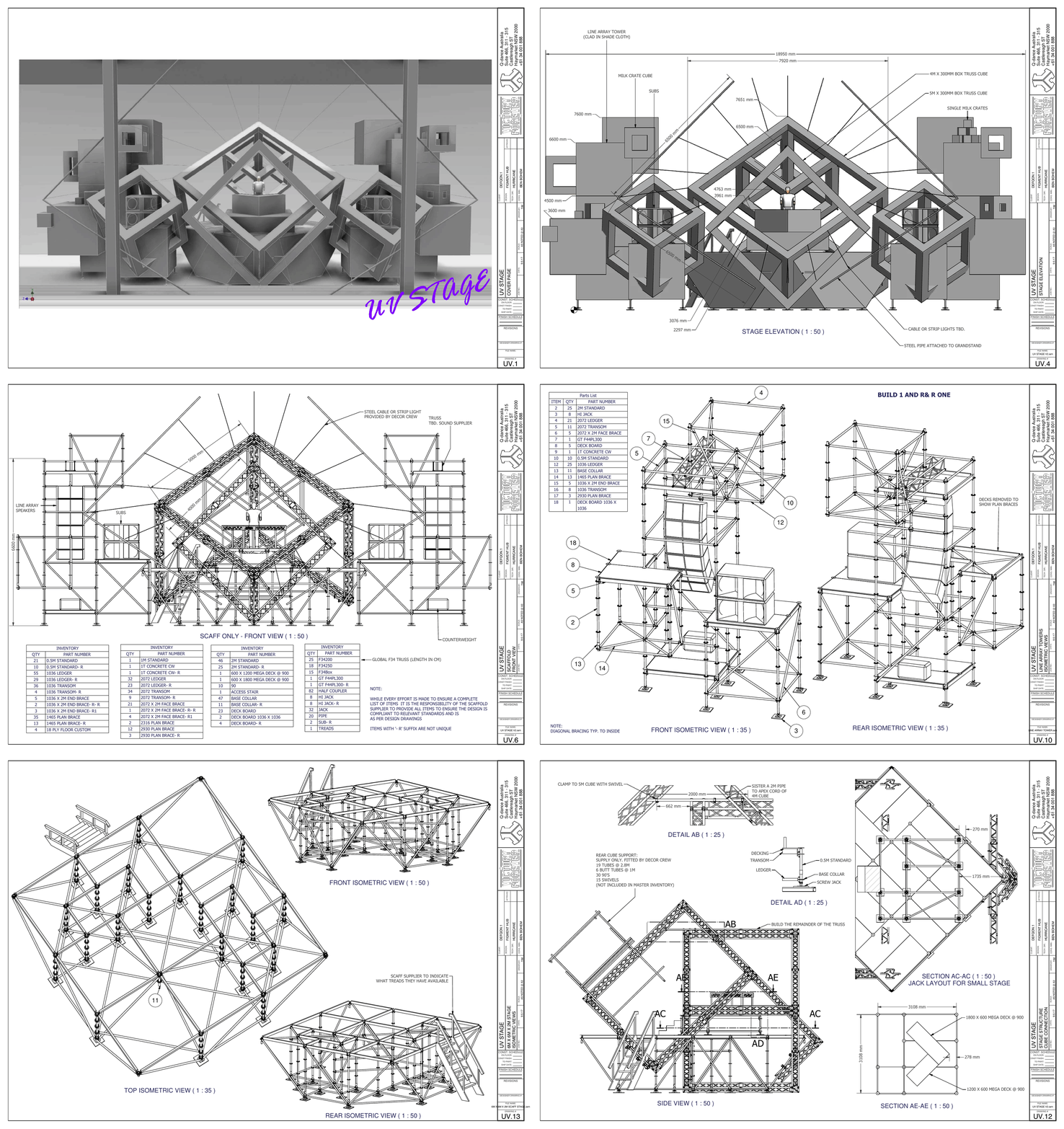
My role was to hold that whole experience in view. Creative direction meant moving between scenic architecture, lighting, sound, performance, art cars, VIP environments, site decoration, guest circulation and the practical realities of producing a major event for 33,000 people. I did not need to personally design every object. I needed to understand how every part contributed to the experience and keep the teams moving toward the same destination.
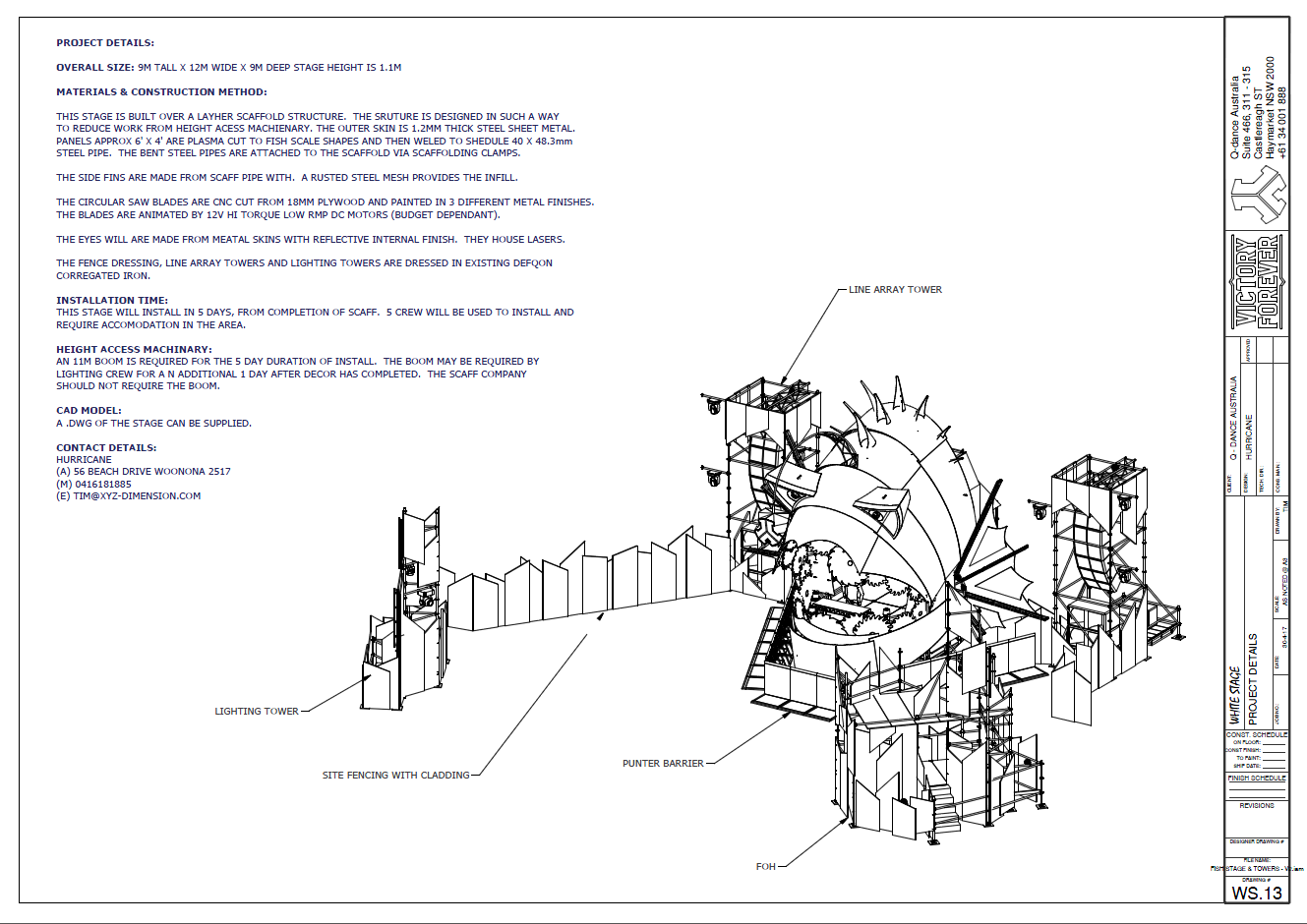
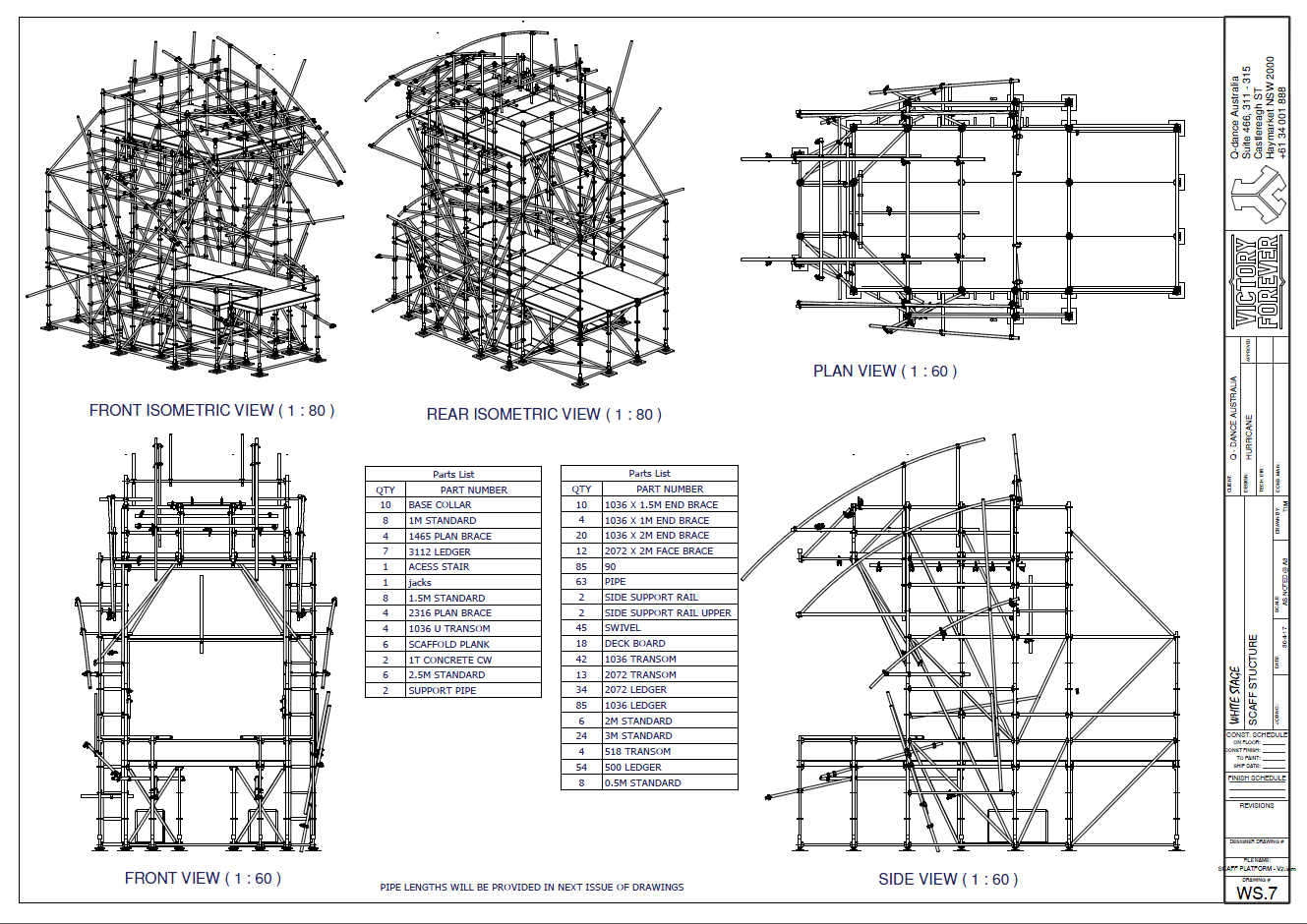
That also meant protecting the idea through delivery. A spectacular concept has little value if it becomes confused, compromised or difficult to execute by the time it reaches site. The strongest work happened when creative ambition, technical design, fabrication, logistics and operations were resolved together early enough that the site team received something clear, buildable and achievable.
Defqon taught me that scale is not simply about making things bigger. It is about creating coherence across complexity. When the work succeeded, the individual departments, structures and systems disappeared into the experience and 33,000 people simply inhabited the same world.